Lawn Mowing in Hornsey

Lawn mowing in Hornsey should keep your grass tidy, healthy and easy to manage without turning routine upkeep into a chore. Our mowing service focuses on clean, even cuts, sensible cutting heights and a finish that suits the season, the lawn’s condition and the way the garden is used. Whether you need regular maintenance or a one-off tidy-up, we provide straightforward lawn care that helps the space look presentable and remain usable.
We work with domestic and small commercial outdoor spaces, handling the practical parts of grass cutting with care and consistency. That includes edging where required, clearing clippings when agreed, and adjusting the approach to suit different grass growth patterns. Good mowing is not only about appearance; it also supports steadier growth and helps the lawn cope better with regular use.
If you are comparing options, start with the basics: the condition of the grass, the size of the area, and how often it needs attention. You can request a quotation once you have a clear idea of the level of upkeep you want. If a lawn has been left for a while, we can talk through a sensible starting point before regular visits are put in place.
Regular Grass Cutting and Lawn Care
Regular mowing is the core of a manageable garden routine, and it works best when the frequency matches the rate of growth. Some lawns need weekly attention during faster-growing periods, while others stay tidy with a lighter schedule. The aim is not simply to cut grass shorter, but to keep growth controlled enough that the lawn remains even, neat and comfortable underfoot. We can support that with planned mowing and practical upkeep that keeps the surface in better shape between visits.
For many customers, the most useful service is a consistent grass cutting pattern that avoids sudden overgrowth. A steady schedule helps prevent the lawn from becoming too long to cut cleanly in one go, and it reduces the chance of a rough finish. It also makes edging, border definition and general garden presentation easier to maintain. If you want to keep on top of things without overcomplicating the job, regular mowing is often the most efficient route.
Our work can also sit alongside related garden care where needed. If you are planning broader upkeep, the garden maintenance page explains how mowing can form part of an ongoing care plan, while the services overview gives a clearer picture of the different ways the garden can be looked after. For grass that needs a more general tidy beyond mowing alone, the garden clearance service may be relevant too.
What a Lawn Mowing Visit Can Include
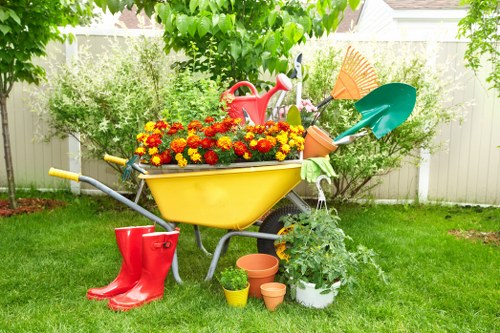
A lawn mowing visit is usually most effective when the small finishing details are handled properly. Depending on the lawn and its layout, that can include trimming the main grass area, neatening edges along paths or borders, and removing loose cuttings where appropriate. On a smaller lawn, those finishing touches can make the difference between a quick cut and a genuinely tidy result. On a larger space, they help maintain a more even appearance across the whole area.
Different lawns also call for different approaches. Newer lawns may need a gentler cut to avoid stressing the grass, while established lawns can usually be maintained with a more regular routine. If the grass has become long, the safer approach is often to reduce the height gradually rather than forcing a dramatic cut in one visit. That kind of measured work helps avoid scalping and leaves the lawn in better condition for the next cut.
For gardens with mixed borders, awkward corners or sections that are difficult to mow cleanly, it can help to combine mowing with wider maintenance tasks. Our hedge trimming service is useful where overgrowth is affecting access or light, while the tree lopping and removal page covers larger woody growth that can change how a garden is maintained. If the lawn is part of a wider outdoor redesign, the landscape gardening service may be worth reviewing as well.
Seasonal Growth, Cutting Height and Finish
Lawn mowing is rarely the same job all year round. Grass grows more quickly in milder, wetter conditions and more slowly during dry or cold spells, so the timing and cutting height need to reflect that. Cutting too low can leave the lawn thin or stressed, while leaving it too high can make the garden feel neglected and harder to manage. A sensible mowing routine pays attention to both the look of the grass and how it is likely to recover after cutting.
We aim for a finish that is neat without being overworked. That means using a height that suits the lawn rather than chasing a very short cut on every visit. For some customers, the preference is a crisp, closely kept look; for others, the better result is a slightly fuller finish that is easier to sustain. Either way, the objective is the same: clean lines, even coverage and a lawn that stays manageable rather than becoming a problem between visits.
If you are planning a wider refresh, the landscaping page may be useful where the lawn forms only one part of the outdoor space. The decking services page can also be relevant when hard landscaping is being added around the lawn, because changes to borders and access can affect how mowing is carried out. For a fuller package of ongoing upkeep, look again at garden maintenance as a practical follow-on.
Access, Edging and Site Practicalities

Good mowing depends on practical access as much as on cutting technique. Clear paths, reachable gates and sensible working space all help the visit run smoothly, especially where lawns are split into sections or bordered by planting beds, paving or structures. Edging is often a valuable part of the job because it defines the boundary between grass and other surfaces, which makes the whole garden look more intentional. When agreed, we can also remove the clippings so the finish feels complete rather than hurried.
There are a few simple details that make a quotation easier to prepare. A brief description of the lawn size, whether it is regularly maintained or overgrown, and whether you want clipping removal all help set the right scope. If there are narrow entrances, steep changes in level or awkward corners, it is useful to mention those too. Please send the facts that matter and we can take it from there without overcomplicating the process.
When Mowing Needs Extra Garden Work
Some lawns are straightforward, but others sit within gardens that need a little more intervention before mowing becomes simple again. If grass has been left too long, the first cut may need to be approached cautiously, and the surrounding beds, hedges or taller growth may also need attention. In those cases, mowing is best treated as part of a wider tidy-up rather than an isolated task. That way, the lawn gets back to a maintainable condition instead of being repeatedly pushed beyond it.
Where overgrowth is making the garden difficult to manage, a broader clean-up can be the right starting point. The garden clearance page covers more substantial outdoor clearing, while hedge trimming can help restore shape and improve light around the lawn. If there is stubborn vegetation or larger material involved, the tree lopping and removal service may be relevant. The point is to match the work to the state of the space, rather than forcing everything into a single brief visit.
For people comparing service combinations, it can be useful to think in layers: first the accessible lawn area, then the surrounding growth, then any wider improvements to layout or boundaries. If you would like a clearer picture of what sits where, the services overview offers a practical starting point. If you are ready to move from planning to action, make a note of the areas you want covered and ask for a quotation.
Pricing Factors and Quotation Details
Pricing for lawn mowing usually depends on the size of the grassed area, how much cutting is needed, and whether any additional work is included. A lawn that is regularly maintained can often be treated differently from one that is long or uneven, because the time and equipment needed are not the same. Edging, clipping removal and access challenges may also influence the scope. Clear information at the outset helps keep the quotation realistic and easy to understand.
It is also useful to think about how often the lawn will need attention. A one-off visit has a different purpose from an ongoing schedule, and the best arrangement depends on the look you want to maintain. If you are unsure where to begin, a simple description of the current condition is usually enough to start the conversation. For anyone wanting to understand how payment, booking and related practical matters are handled, the payment and security page gives a useful point of reference.
You may also want to check the pricing and quotes page if you are gathering information before making a decision. When you are ready, a straightforward enquiry is often the quickest way to move from estimate to plan. Request a quotation if you want the job assessed against the actual lawn rather than guessed from a general description.
Why a Managed Lawn Looks Better for Longer

A managed lawn tends to hold its shape better because each cut is part of a routine rather than a rescue job. When the grass is cut before it becomes too long, the result is usually more even and easier to maintain. The lawn also feels more usable, whether that means space for children, a neater view from the house or a cleaner finish around the edges. Regular mowing is therefore as much about keeping standards consistent as it is about making the garden look tidy on one particular day.
That consistency is especially helpful where the lawn sits beside features that need their own upkeep. A neat edge next to paving, timber or planted borders makes the rest of the garden read more clearly, and it often reduces the sense that the space needs a full overhaul. If the garden’s overall condition is improving, lawn mowing can be one of the simplest ways to keep that progress visible. For larger changes to layout or planting, the landscape gardening and landscaping pages explain broader options.
For many customers, the decision is not whether the grass should be cut, but how to keep the work sensible over time. A regular pattern prevents the lawn from getting away from you, and it also reduces the amount of corrective work needed each visit. If that sounds useful, keep the conversation focused on the lawn condition, preferred frequency and any awkward access. Then make an enquiry when you are ready for the next step.
Useful Related Garden Services
Although lawn mowing is the main service here, some gardens benefit from a combination of related tasks. A trimmed hedge can improve light and make mowing easier; a cleaner boundary can reduce the amount of stray growth that falls back onto the grass; and a tidier layout can make regular maintenance simpler. These jobs are not automatically needed, but they are worth considering if the lawn is only one part of a broader outdoor care plan.
Where maintenance goes beyond the grass, the most relevant supporting pages are the hedge trimming service for shaping and control, garden maintenance for planned ongoing care, and garden clearance for heavier tidying. If your garden has timber features or boundary changes that affect how the space works, decking services and landscape gardening may also be useful references. Each serves a different purpose, so it helps to match the page to the work rather than assume everything falls under one heading.
About Hornsey
Hornsey is an area in the London Borough of Haringey, in north London, with a history that reaches back to the medieval period. It appears in records from the 13th century and grew from a rural settlement into a more urban district as London expanded northwards. The area sits between Crouch End, Wood Green and Finsbury Park, and its character reflects both long-established residential streets and later development linked to rail and urban growth. Hornsey railway station, on the Great Northern route, has long been part of the area’s connection to central London, while nearby road corridors helped shape movement and local trade over time. Much of the district is recognised for its varied housing stock, from Victorian and Edwardian terraces to later infill and apartment development, creating a built environment that shows several phases of growth rather than a single planned centre.