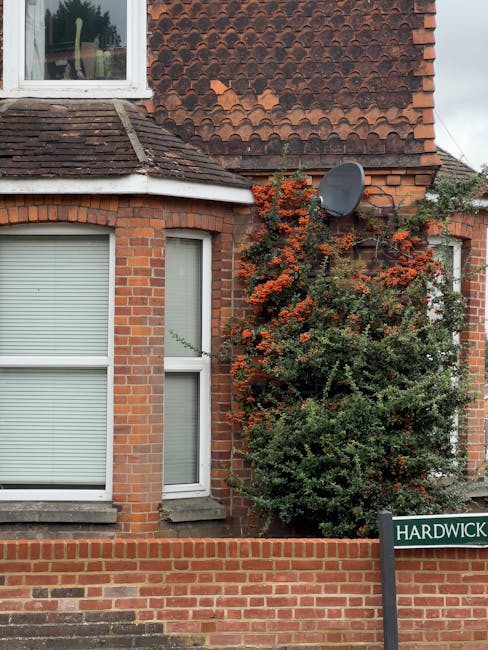
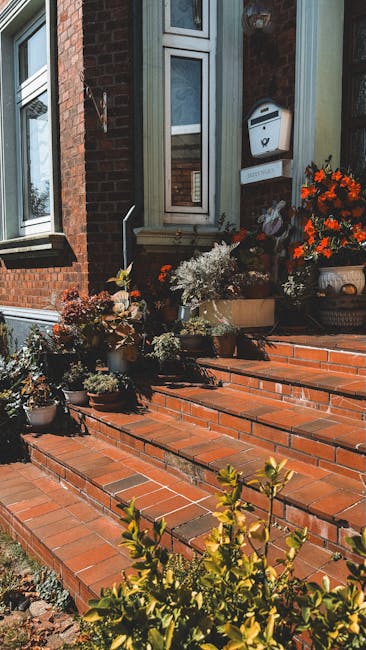
Hornsey gardeners guide to front garden care N8
Front gardens do a lot of quiet work. They shape the first impression of your home, soften the look of the street, and set the tone before anyone even reaches the door. In Hornsey, where many properties in N8 mix period character with compact outdoor space, a front garden has to look good, stay manageable, and cope with real-life weather, foot traffic, and the odd rush of daily life. This Hornsey gardeners guide to front garden care N8 is designed to help you do exactly that: keep things tidy, healthy, welcoming, and practical without turning maintenance into a full-time job.
Whether your front garden is a small paved strip, a narrow lawn, a bay-fronted planting bed, or a more traditional mix of hedging, borders, and path edges, the same principles apply. Good care is part routine, part judgement. A little planning now saves a lot of scruffy corners later. And let's face it, a front garden that looks cared for tends to make the whole house feel more settled.
If you're comparing professional support, it can also help to review the range of garden services in Hornsey and the practical details in the pricing and quotes information before deciding what to handle yourself and what to pass over.
Below, you'll find a clear, local-minded guide to the everyday decisions that keep a front garden looking sharp across the seasons - from pruning and edging to weed control, sustainability, and the small details that make a space feel finished rather than merely "done".
Why Hornsey gardeners guide to front garden care N8 Matters
Front garden care matters because it affects both appearance and use. In N8, many front gardens sit close to pavements, boundaries, driveways, and front steps, so even a small amount of neglect can show quickly. A hedge that's overgrown by a few inches, a path with moss creeping over it, or a border full of self-seeded weeds can make the whole property feel less looked after.
That matters for more than vanity. A neat front garden can make access easier, reduce trip hazards, improve drainage around paths and beds, and make routine upkeep much simpler. It also helps you spot small problems early - things like low branches, broken edging, compacted soil, or pests nibbling at new growth. In practice, front garden care is a bit like home maintenance in miniature. Small actions, repeated regularly, do most of the real work.
For many Hornsey households, the front garden is also the most visible part of the property from the street. If you work from home, rent out a flat, or just want the place to feel calm when you come back in from a busy London day, a tidy entrance helps. Truth be told, there's something reassuring about stepping past clean borders and clipped edges after the commute.
It also supports long-term plant health. Plants in front gardens often deal with more stress than back gardens: heat reflected from paving, shallow or disturbed soil, passing pedestrians, and more exposure to wind and road dust. A thoughtful care routine helps them settle and perform better.
How Hornsey gardeners guide to front garden care N8 Works
The basic idea is simple: assess, maintain, improve, and repeat. Front garden care works best when it is treated as a cycle rather than a one-off tidy-up. You're looking at the space through three lenses:
- What needs regular control - mowing, edging, weeding, sweeping, hedge trimming, deadheading, and leaf clearance.
- What needs seasonal attention - pruning, mulching, soil improvement, planting refreshes, and pressure on drainage or shade issues.
- What needs occasional repair - broken paving, failing borders, tired shrubs, leaning supports, or compacted soil.
A professional gardener will usually start with a quick survey of the front area, noting the type of planting, access, waste volume, safety issues, and the amount of ongoing maintenance needed. That helps decide whether the work is best done as a simple tidy, a regular schedule, or a more restorative visit. If you want a sense of how a wider maintenance service might be structured, the services overview is useful background.
For many homes, the best results come from combining light weekly or fortnightly upkeep with slightly heavier seasonal jobs. For example, a small lawn might need mowing more often in spring and less often in late summer, while front borders might only need careful pruning and mulching twice a year. The trick is not to overdo anything. Over-pruning or over-watering is just as likely to create problems as leaving things alone.
There's also a simple visual order to it. Start with the hard edges, then the visible surfaces, then the planting. Paths and steps first, borders second, plant health third. That sequence makes the whole space feel instantly more managed, even before the plants have had a chance to catch up. A bit of sequence goes a long way.
Key Benefits and Practical Advantages
Good front garden care gives you more than a tidy look. It creates a space that works better day to day.
- Better kerb appeal: The house feels more welcoming, and the frontage looks cared for even in winter.
- Safer access: Clear paths, trimmed edges, and controlled growth reduce awkward steps, trip points, and blocked entrances.
- Healthier planting: Regular deadheading, pruning, and mulching support stronger growth and fewer pest or disease issues.
- Less work over time: Small, consistent jobs are easier than trying to rescue an overgrown garden later.
- Improved drainage and cleanliness: Swept paths, managed soil, and trimmed planting reduce mud, leaf build-up, and blocked gullies.
- More usable space: Even a tiny front garden can hold pots, seasonal colour, or structural planting if it's managed well.
One practical advantage people often overlook is visibility. A clean, well-kept front garden makes it easier to spot if something's wrong - a broken gate hinge, a collapsed border, a leak, a pest outbreak, or signs that a plant has simply had enough. You notice things sooner, which is always cheaper and less annoying.
If you're trying to balance value and convenience, it may help to look at pricing and quote options early, because front garden maintenance can be planned quite flexibly. Some homes only need a tidy every few weeks; others need regular visits to keep hedges, lawns, and boundaries under control. There's no one-size-fits-all answer, to be fair.
Expert summary: The best front garden care is not the fanciest. It's the kind that keeps the space neat, safe, and healthy without creating extra work for next time.
Who This Is For and When It Makes Sense
This guide is useful if you own, rent, manage, or care for a property in Hornsey and want the front garden to stay presentable without constant stress. It suits homeowners with small urban plots, landlords wanting a reliable first impression, families juggling busy schedules, and anyone whose front area has become a bit unruly around the edges.
It especially makes sense if your frontage has one or more of the following:
- a small lawn that gets patchy or mossy
- hedges or shrubs close to a path or boundary
- steps, paving, or gravel that collect weeds and debris
- planting beds that dry out quickly in summer
- a shaded or north-facing aspect where growth is slower and moss is more common
- a wish to reduce maintenance and still keep things looking intentional
It also makes sense if you are considering professional help but are not sure what level you actually need. Sometimes the answer is a one-off reset. Sometimes it is regular light maintenance. Sometimes it is somewhere in between - a seasonal tidy plus small visits through spring and autumn. Realistically, many front gardens need less drama and more consistency.
If safety, insurance, or site handling matters to you, it's sensible to check a provider's insurance and safety information and their health and safety approach. That's especially relevant where tools, ladders, steep steps, or shared access are involved.
Step-by-Step Guidance
Here's a practical structure you can follow. It works for a simple frontage and for a more planted garden too. No mystery here - just a steady method.
1. Start with a full visual sweep
Stand at the pavement, then at the front door, and look at the space as a visitor would. What stands out first? Overgrown edges? A tired hanging basket? Weeds through paving? It sounds basic, but that first look often reveals the real priority. A garden can look "fine" up close and messy from the street, or the other way round.
2. Clear the obvious clutter
Remove fallen leaves, litter, broken pots, dead stems, and anything blocking the line of sight. Sweep hard surfaces and clear the base of walls and fences where debris tends to collect. On a damp morning, this can make the whole frontage feel lighter almost immediately.
3. Tackle weeds before they spread
Weeds in front gardens are usually easier to control when caught early. Pull annual weeds while the soil is slightly moist, and deal with cracks in paving before roots get established. If there are many weeds, a proper edging and a more consistent maintenance rhythm will usually beat occasional panic clearing.
4. Shape hedges and shrubs carefully
Keep growth back from paths, gates, windows, and the public boundary. The goal is not to shear everything into a flat box unless that suits the design. It's to keep a clean line and preserve natural form where possible. A hedge that is slightly relaxed can still look elegant if its edges are crisp.
5. Refresh the soil surface
Mulch borders where suitable, especially around shrubs and young plants. Mulching helps hold moisture and suppress weeds, and it makes a border look more finished. In compact front gardens, even a thin layer can change the feel of a bed from "tired" to "looked after".
6. Manage lawn areas properly
If there is a front lawn, keep the cuts regular during the growing season and avoid scalping the grass too short. Shorter is not always tidier. In shaded or heavily used spaces, slightly higher cutting often keeps the lawn healthier. If you're unsure, a regular mowing schedule is usually kinder than a hard reset every now and then.
7. Add structure and seasonal colour
Use pots, evergreen shrubs, or low-maintenance perennials to give the garden shape through the year. Front gardens benefit from structure because they need to look good even when flowers are sparse. A couple of well-placed containers near the entrance can do a lot of heavy lifting, visually speaking.
8. Finish with edges and sightlines
Neaten the boundary line, clear around signs or gates, and make sure the path to the front door feels obvious. It's a small detail, but clear sightlines make a front garden feel calm and organised.
Expert Tips for Better Results
Front garden care improves fast when you focus on a few habits rather than dozens of fiddly tasks. Here are the habits that tend to matter most.
- Keep maintenance light and frequent: Ten minutes every week often beats one long, exhausting session every month.
- Work with the season: Spring and early summer are growth-heavy; autumn is about clearing, protecting, and preparing.
- Use plants that suit the site: If your frontage is dry, exposed, or shaded, choose plants that accept those conditions rather than fighting them.
- Don't overwater containers: Front pots dry out quickly in sun, but too much watering can still damage roots and waste effort.
- Edge often: Clean edges are one of the fastest ways to make a garden look maintained.
- Prune for shape, not just size: A plant should fit the space, but it should still look like a plant and not a haircut.
A small local observation: in busy streets, front gardens can collect more grit, dust, and leaf litter than people expect. That means a quick sweep and rinse of paths sometimes matters as much as the planting itself. Little stuff. Annoying, but true.
If you care about sustainability, it is worth asking how green waste is handled. Many gardeners and homeowners prefer to recycle clippings and reuse organic material where possible. You can read more about responsible handling in the site's recycling and sustainability information.
And one more thing: if access is tight or there are mobility concerns, it helps to choose a maintenance approach that keeps walkways clear and does not create temporary hazards. A neat garden should make life easier, not awkward.
Common Mistakes to Avoid
Front gardens often go wrong in predictable ways. Luckily, they're fairly easy to avoid once you know them.
- Cutting everything too hard: Over-pruning can leave shrubs looking thin, stressed, or oddly misshapen.
- Ignoring edges: A tidy lawn with scruffy borders still looks unfinished.
- Letting weeds mature: Once they seed, the next round is usually worse.
- Choosing thirsty plants for a dry site: The garden ends up looking exhausted every summer.
- Overcrowding containers: Pots need breathing room as much as border plants do.
- Forgetting winter structure: A front garden that relies only on summer flowers can look bare for half the year.
- Putting off small repairs: Loose paving, broken edging, or leaning supports tend to get more annoying, not less.
There's also a mindset mistake: expecting front garden care to be dramatic. It usually isn't. The best results come from small, repeated actions. A garden can recover from neglect, yes, but not usually in one heroic afternoon. We've all been there, standing with a pair of shears thinking, "How bad can it be?" Quite bad, sometimes.
Tools, Resources and Recommendations
You do not need a shed full of equipment to care for a front garden well. A few reliable tools cover most jobs.
| Task | Useful tools | What to look for |
|---|---|---|
| Edging and trimming | Hand shears, edging tool, strimmer | Clean cuts, comfortable grip, safe handling around paths |
| Weeding | Weed knife, hand fork, gloves | Tools that remove roots rather than snapping tops off |
| Leaf and debris clearance | Leaf rake, broom, garden waste bags | Easy-to-handle tools for tight spaces |
| Pruning | Secateurs, loppers, pruning saw | Sharp blades and correct size for the branch thickness |
| Lawn care | Rotary mower or cylinder mower, lawn rake | Good cutting height control and regular maintenance |
| Soil improvement | Mulch, compost, fork | Organic matter suited to the planting type |
For most people, the best "resource" is actually routine. A little calendar note to yourself can be more useful than another gadget. Early spring, late spring, midsummer, autumn - those are the moments when front gardens usually need a proper look. A quick monthly check is often enough to stop things drifting.
If you'd rather hand the job over, it helps to understand how a provider structures ongoing work. The services overview and quote guidance can help you compare one-off tidy-ups against regular maintenance without guessing.
Law, Compliance, Standards, or Best Practice
Front garden care in a residential setting is usually straightforward, but there are still sensible standards to follow. If a garden borders a public pavement, road, or shared access, it should be kept from encroaching onto the route or creating avoidable hazards. That includes overhanging growth, slippery debris, loose pots, and anything that blocks visibility near entrances or driveways.
Where tools, ladders, or powered equipment are used, basic safety practice matters. That means checking equipment before use, wearing suitable footwear and gloves where appropriate, and avoiding work when conditions are too wet, windy, or dark to do the job safely. Not glamorous, but better than a dodgy ankle.
It is also wise to understand waste handling. Green waste should be dealt with responsibly, whether that means composting on site, using approved disposal routes, or choosing a service that follows a recycling-first approach. If environmental handling is important to you, see the site's recycling and sustainability page for the kind of standards a responsible service should be able to discuss.
For service users, good practice also includes clear communication about access, timings, and payment terms. If you are booking help, review the provider's payment and security information so expectations are clear before work begins. And if you ever need formal support or want to understand service processes, the complaints procedure is a sensible page to check. Nobody wants to use it, obviously, but it is reassuring when it exists.
Options, Methods, or Comparison Table
Not every front garden needs the same approach. Here's a practical comparison of common maintenance methods.
| Method | Best for | Pros | Limitations |
|---|---|---|---|
| DIY weekly upkeep | Small, simple front gardens | Low cost, flexible, immediate control | Can slip during busy periods, may lack consistency |
| One-off tidy-up | Overgrown or newly neglected fronts | Fast visual reset, useful before an event or sale | Needs follow-up to stay neat |
| Scheduled maintenance | Lawns, hedges, and mixed planting | Reliable, keeps growth in check, less stress | Requires commitment and planning |
| Seasonal visits | Low-growth or mainly structural gardens | Good balance of cost and appearance | Not ideal for high-growth areas in peak season |
The right choice depends on your frontage, your time, and how much polish you want. A small paved garden with pots may only need light attention, while a front lawn and hedge combination often benefits from more regular care. If you're unsure, a short discussion and a clear quote can save a lot of back-and-forth later.
Case Study or Real-World Example
Here's a realistic scenario. A typical Hornsey front garden might include a narrow lawn, a curved border with a couple of shrubs, and a paved path up to the front door. Over time, the lawn starts to thin in one corner, the border gets crowded with weeds, and the hedge begins to nibble into the pavement line. Nothing dramatic. Just enough to make the house feel slightly tired.
The first visit focuses on clearing the path, edging the lawn, cutting back the hedge, and removing the worst weeds. That alone changes the feel of the place. Suddenly the route to the door is obvious again. The second stage might add mulch to the border, a shape-adjustment on the shrubs, and a plan for the lawn cutting height. By the third visit, the front garden is no longer reacting to problems - it is being managed.
What usually surprises people is how much visual improvement comes from the basics. Not exotic planting. Not expensive materials. Just sharp lines, clean surfaces, and plants kept in proportion. There's a kind of quiet satisfaction in that, especially when you see it from the pavement on a misty morning or after rain when everything looks darker and a little more defined.
For properties where access, safety, or handling concerns are more involved, checking insurance and safety details before booking is a sensible step. It is not overcautious; it is just good sense.
Practical Checklist
Use this checklist to keep your front garden on track through the year.
- Check the garden from the street and from the front door
- Sweep paths and clear loose debris
- Remove weeds before they seed
- Trim hedges and shrubs away from walkways and windows
- Edge lawns and borders for a crisp finish
- Refresh mulch or compost where suitable
- Inspect pots, containers, and supports for damage
- Confirm drainage is clear after heavy rain
- Adjust watering to suit weather and planting type
- Plan a seasonal tidy-up before growth surges or leaf fall
- Dispose of green waste responsibly
- Review whether DIY or professional maintenance makes more sense next month
Quick reminder: If your front garden has become too much to keep up with in one go, split the work into stages. One visit for clearing, one for shaping, one for planting improvement. Much easier on the nerves.
Conclusion
A well-kept front garden does not need to be complicated, and it certainly does not need to be perfect. What it needs is steady care, a sensible routine, and enough attention to keep the space neat, safe, and welcoming. That is the real heart of this Hornsey gardeners guide to front garden care N8: make the frontage work for your home, your schedule, and the way you actually live.
Whether you are maintaining a compact strip near the pavement, tidying a small lawn, or trying to bring structure back to a neglected entrance, the same principles apply. Start with the visible basics, keep the planting in proportion, and deal with issues before they grow into bigger jobs. Small effort, repeated well, makes a noticeable difference.
If you want a front garden that feels calm rather than constantly demanding, that is absolutely achievable. And when you walk up the path and see it looking neat after a wet afternoon or a windy week, it just feels better. Simple as that.
Get a free quote today and see how much you can save.
If you'd like to explore more about the company behind these services, you can also visit the Hornsey garden care homepage for a broader look at local support and service options.
Frequently Asked Questions
How often should a front garden in Hornsey be maintained?
Most front gardens benefit from light maintenance every one to two weeks during active growth, with slightly heavier seasonal work in spring and autumn. A very small paved frontage may need less frequent attention, while lawns and hedges usually need more regular care. The key is consistency rather than doing everything at once.
What is the easiest way to keep a front garden looking tidy?
Focus on the visible basics: sweep paths, remove weeds early, keep edges sharp, and trim growth before it spills over onto walkways. Even a short weekly tidy can make a big difference. It is often the little things, oddly enough, that change the whole impression.
Do front gardens need different care from back gardens?
Yes, often they do. Front gardens are usually more exposed, more visible, and more likely to include hard surfaces, access routes, and boundary planting. They need a balance of appearance, practicality, and safety that back gardens do not always require.
Is professional front garden maintenance worth it for a small property?
It can be, especially if time is tight or the frontage includes hedges, a lawn, or regular weed control. Small spaces may seem easy, but they can become messy surprisingly quickly. A professional visit can reset the space and establish a manageable routine.
What should I do with green waste from front garden work?
Green waste can often be composted on site if suitable, or collected and disposed of responsibly. It is worth checking that any service you use follows a sensible recycling-first approach. The important thing is not to leave clippings and cuttings piling up around the property.
How do I stop weeds coming back in paving and borders?
Remove weeds early, keep joints and edges clear, and maintain a regular schedule. In borders, mulch can help suppress new growth. In paving, the best approach is usually repeated light control rather than occasional heavy clearing.
What plants work well in a low-maintenance front garden?
Evergreen shrubs, hardy perennials, and tough plants suited to your site conditions usually work best. The right choice depends on sun, shade, soil, and how much watering you want to do. It is better to pick a small number of reliable plants than to crowd the space with needy ones.
How do I know if my front garden needs a one-off tidy or regular maintenance?
If the space only looks untidy after a period of neglect, a one-off tidy may be enough. If weeds, hedge growth, lawn cutting, and seasonal tasks keep returning, regular maintenance is usually the better fit. A professional assessment can help you decide without overcommitting.
Are there safety issues with front garden care?
Yes, especially where there are steps, uneven paving, powered tools, or work close to a public pavement. Good practice includes keeping access routes clear, using equipment properly, and avoiding rushed work in poor weather. Safety tends to be boring right up until it matters.
Can a front garden increase the value or appeal of a property?
It can improve first impressions and make the property feel better cared for, which is valuable whether you are selling, renting, or simply living there. It is not a magic trick, but a neat frontage often helps a home look more inviting and well maintained.
What is the best time of year to refresh a front garden?
Spring is usually the main reset point, because growth picks up and you can see what needs attention. Autumn is also important for clearing leaves, tidying borders, and preparing plants for colder weather. In practice, small checks throughout the year keep the work manageable.
How do I choose a gardener for front garden care in N8?
Look for clear communication, sensible pricing, evidence of safety and insurance awareness, and a service that understands local garden conditions. It also helps if they can explain what they will do, how often, and why. A good fit should feel straightforward, not mysterious.