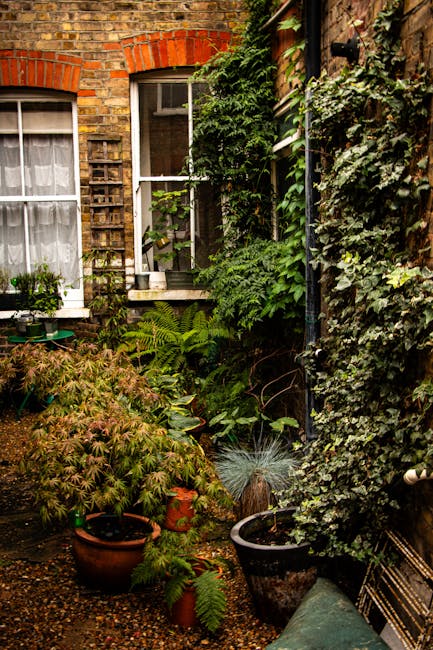
Hornsey Library Courtyard Care Guide for Local Gardeners
If you have ever looked at a shared courtyard and wondered why it feels calm one week and a bit scruffy the next, you are not alone. A Hornsey Library courtyard care guide for local gardeners is really about keeping a small public-facing space tidy, welcoming, and workable through the seasons. It is part plant care, part surface care, part people care. And to be fair, that mix is what makes courtyard gardening interesting.
This guide is written for local gardeners, volunteers, and anyone helping to look after a compact outdoor space near Hornsey. You will find clear steps for keeping beds healthy, paths safe, planters attractive, and maintenance manageable without overcomplicating things. It is practical, local, and aimed at the kind of real-life courtyard work that happens between a damp spring morning and a busy Saturday afternoon.
If you are planning broader upkeep around the site, you may also find it useful to read about regular garden maintenance and, for bigger tidy-ups, garden clearance. Those pages sit neatly alongside this guide because courtyard care often needs both routine attention and the occasional reset. Small space, big difference.
Table of Contents
- Why Hornsey Library Courtyard Care Matters
- How Courtyard Care Works in Practice
- Key Benefits and Practical Advantages
- Who This Is For and When It Makes Sense
- Step-by-Step Guidance
- Expert Tips for Better Results
- Common Mistakes to Avoid
- Tools, Resources and Recommendations
- Law, Compliance, Standards, or Best Practice
- Options, Methods, or Comparison Table
- Case Study or Real-World Example
- Practical Checklist
- Conclusion
- Frequently Asked Questions
Why Hornsey Library Courtyard Care Matters
A courtyard outside a library is not just decorative. It is often one of the first spaces people see when they arrive, and first impressions matter more than we like to admit. If the space is neat, planted thoughtfully, and easy to move through, it feels cared for. If it is clogged with weeds, wet leaves, or tired planters, the whole place can feel a bit forgotten.
For local gardeners, the Hornsey Library courtyard care guide matters because small spaces show problems quickly. A blocked drainage grate, a patch of compaction, or an overwatered planter can go from minor annoyance to daily nuisance in no time. You notice it at eye level. You notice it underfoot. You notice it when a bench sits in shade all winter and the moss sets in. Not glamorous, but very real.
There is also the community side. Courtyard planting can soften hard edges, support biodiversity, and create a more inviting place for visitors who may stay a minute or a full afternoon. In a neighbourhood setting, good care sends a quiet message: this place is looked after, and people matter here.
Expert summary: courtyard care works best when you treat it as a rhythm, not a rescue mission. Light weekly attention usually prevents the heavier jobs that eat time later on.
How Hornsey Library Courtyard Care Works
Caretaking a courtyard is a bit different from maintaining a front garden or a larger suburban plot. You are dealing with tighter planting areas, limited soil volume, foot traffic, walls that can reflect heat or shade, and surfaces that need to stay safe. The best approach is layered: keep the hard landscaping tidy, keep the planting resilient, and keep an eye on seasonal changes.
In practice, the work tends to fall into four parts. First, there is the visible tidy-up: litter picking, sweeping, trimming, deadheading, and removing anything that looks neglected. Second, there is plant health: watering, feeding where needed, checking for pests, and replacing failed plants. Third, there is surface management: making sure paving, edges, and drainage points stay clear. Fourth, there is planning. Yes, planning. The boring bit that saves you from drama later.
The most successful courtyard care routines are simple enough to repeat. That means choosing plants that tolerate shade, wind, or reflected heat depending on the spot. It also means keeping maintenance realistic for the people doing it. A gorgeous but needy planting scheme can look lovely for six weeks and then become a headache. Been there, seen that, regretted it.
If the space includes hard surfaces or seating areas, upkeep may also overlap with small-scale landscaping and, in some settings, careful decking maintenance. The exact combination depends on what the courtyard already has, but the principle stays the same: match the care plan to the site, not the other way around.
Key Benefits and Practical Advantages
Good courtyard care does more than make the space look nice. It improves usability, lowers long-term maintenance stress, and helps plants survive in a tricky environment. That sounds obvious, but the real value is in the day-to-day results.
- Better first impressions: A tidy courtyard feels welcoming to readers, staff, and visitors.
- Safer movement: Clear paths reduce slipping hazards from leaf litter, algae, or uneven overgrowth.
- Healthier plants: Regular checks stop small issues turning into plant loss.
- Lower workload later: Routine care is easier than emergency clearance.
- More enjoyable space: People naturally linger in places that feel clean, calm, and looked after.
There is a softer benefit too. People tend to treat attractive shared spaces with a little more care themselves. It is one of those quiet neighbourhood effects you cannot always measure, but you notice it. Fewer cigarette ends. Less random litter. A little more respect.
Courtyard care can also support sustainability when it is planned with long-lasting materials, composting where suitable, and sensible plant choices. If you are trying to align maintenance with greener habits, take a look at recycling and sustainability for a practical mindset that fits well with regular garden work.
Who This Is For and When It Makes Sense
This guide is for local gardeners who are responsible for, involved in, or advising on a courtyard around Hornsey Library. That could mean a volunteer group, a grounds maintenance team, a community organiser, or a gardener helping part-time with seasonal care. It is also relevant if you are just being asked, "Could you have a look at the courtyard? It's a bit tired, isn't it?"
It makes sense to use a structured care approach when the space has any of these issues:
- frequent leaf build-up or litter
- patchy planting or empty containers
- slippery paving or algae in shaded areas
- plants drying out quickly in summer
- soil that seems compacted or poor
- limited time for frequent maintenance visits
Courtyard care is not only for people with expert horticultural training. In fact, some of the best results come from people who know the space, notice changes early, and keep the routine simple. You do not need to turn the place into Kew Gardens. Truth be told, the best courtyard is often the one that quietly works.
If the area is part of a wider outdoor improvement plan, local gardeners may also want support with landscape gardening or more general services overview information to understand what can be handled in-house and what might need professional help.
Step-by-Step Guidance
A solid courtyard care routine is easier than it sounds. The trick is to break it into repeatable jobs. Here is a practical way to manage it.
1. Start with a quick walk-through
Begin by looking at the whole space before picking up a tool. Check paths, corners, planters, drains, benches, and the edges where litter tends to collect. That first five-minute scan tells you where the day's effort should go. You will often spot a patch of moss, a pot that has dried out, or a shrub leaning awkwardly into a walkway.
2. Clear debris and surface clutter
Remove leaves, twigs, rubbish, and any dead plant material that is sitting on the surface. In a courtyard, debris builds up fast because wind often funnels through enclosed spaces. Sweeping is usually better than dragging because it lifts the finer material too. If bins are nearby, emptying small waste points can make a huge difference to the feel of the whole area.
3. Check planting health
Look at each plant or planter as an individual. Ask: is it stressed, thirsty, overgrown, or simply in the wrong place? A container that looked fine in May may be bone dry by July afternoon. A shady corner that supported one plant last year may now need something tougher. Courtyards punish wishful thinking, so be honest with the site conditions.
4. Water with purpose
Watering should be steady, not random. Newly planted specimens need more attention than established shrubs. Pots usually dry out faster than beds. Morning watering is generally preferable in warm weather because it gives the plant time to take up moisture before the day heats up. Evening can work too, but damp surfaces may stay wet longer, which is not always ideal in shaded courtyards.
5. Prune, deadhead, and tidy selectively
Remove dead flowers, damaged stems, and awkward growth that blocks paths or crowds neighbouring plants. Light pruning often keeps things neater than hard cutting. For hedges or taller edge planting, a careful trim can define the space without making it look overmanaged. If that job is getting beyond the usual hand tools, hedge trimming support can help keep boundaries neat and safe.
6. Inspect drainage and surfaces
After rain, see where water pools and where surfaces stay slick. Courtyards often have a few awkward spots where water lingers. Left alone, those spots can create algae, odour, or plant stress. If drainage is consistently poor, the issue may be more structural than horticultural, and the fix may need a wider maintenance plan.
7. Finish with a reset
Put tools away, straighten any movable pots or furniture, and do one last scan from the entrance. This final glance matters more than people think. It catches little things you missed on the first pass. And it leaves the space looking intentional, which is half the battle.
Expert Tips for Better Results
Courtyard spaces reward modest, smart decisions. You do not need heroic effort. You need consistency, the right plant choices, and a willingness to adjust when the site tells you something new. Sounds simple. It is simple, mostly.
- Use containers as test beds: If you are unsure whether a plant will cope, trial it in a pot before committing it to the ground.
- Choose structure first: Evergreen shrubs, grasses, and clipped shapes often hold a courtyard together through winter.
- Think in layers: Low ground cover, mid-height planting, and one or two taller focal points usually feel more balanced than a random mix.
- Watch the corners: Courtyard corners trap debris, shade, and moisture. They need extra attention, always.
- Plan for absence: If the site may go a week or two without attention, choose resilient planting that can cope.
A useful rule of thumb is to plant for the courtyard you actually have, not the one you wish you had. A sunny, south-facing enclosed yard behaves very differently from a cool, shaded interior space. Likewise, a courtyard used by visitors daily needs tougher finishes than one seen only occasionally.
One more thing: keep a small maintenance log, even if it is just a note on paper or in a phone. Recording what was pruned, watered, replaced, or repaired saves guesswork next month. Not flashy. Very useful.
Common Mistakes to Avoid
Courtyard care goes wrong in predictable ways. The good news is that most of them are easy to avoid once you know what to look for.
- Overplanting: Crowding a small space can make maintenance harder and airflow worse.
- Using thirsty plants in awkward spots: Some plants look lovely in theory and sulk in real life.
- Ignoring drainage: A pretty planter with poor drainage is still a problem planter.
- Letting leaf litter sit: In shaded courtyards, wet leaves quickly become slippery or slimy.
- Pruning too hard at the wrong time: This can spoil shape and stress plants unnecessarily.
- Forgetting access: Paths, bins, entrances, and seating should stay easy to use.
Another common mistake is designing for a photo rather than for maintenance. A courtyard may look stunning on day one and then become cumbersome because nobody considered watering access, sun exposure, or how quickly moss appears after rain. It happens more often than you would think. A bit of realism saves a lot of effort later.
When in doubt, simplify. Fewer plant types, clearer edges, and easier access are usually better than a crowded scheme that looks ambitious but behaves badly.
Tools, Resources and Recommendations
You do not need a truckload of equipment to maintain a courtyard properly. In fact, a compact toolkit is often better because it is easier to grab quickly and easier to keep tidy. For local gardeners, the best tools are the ones that match the actual jobs you do most often.
| Task | Useful tools | Why they help |
|---|---|---|
| Sweeping and clearing | Stiff broom, dustpan, leaf grabber | Quick removal of litter, leaves, and loose debris |
| Plant tidy-up | Secateurs, hand pruners, gloves | Safe, clean cuts and better control in tight spaces |
| Watering | Watering can, hose with control nozzle | Targeted watering without soaking walkways |
| Soil care | Hand fork, compost, mulch | Helps refresh containers and reduce moisture loss |
| Surface checks | Brush, scraper, inspection checklist | Finds algae, blockage, and wear before it becomes a problem |
For bigger overgrowth, waste removal, or a one-off clean-up before a seasonal reset, garden clearance is often more efficient than trying to nibble away at a heavy job piecemeal. For ongoing upkeep, regular garden maintenance helps keep the space steady rather than reactive.
If the courtyard includes larger trees or branches that are affecting light, gutters, or access, it may also be sensible to consider tree lopping and removal advice, though that kind of work should always be assessed carefully and handled within the right safety framework. Not everything should be tackled with a pair of loppers and optimism.
Law, Compliance, Standards, or Best Practice
For public or semi-public spaces, courtyard care should be carried out with safety, access, and basic duty of care in mind. That does not mean turning everything into paperwork. It does mean thinking sensibly about who uses the space, what could cause a slip or trip, and how work is scheduled around visitors.
In UK practice, the important principle is simple: keep the area reasonably safe and maintain it in a way that reflects its use. If surfaces are slippery, paths blocked, or tools left in circulation areas, the risk rises quickly. Good housekeeping, regular inspection, and clear task ownership are the backbone of sensible maintenance.
For teams or volunteers, it is also wise to follow site-specific health and safety procedures if they exist, and to use protective equipment where required. Gloves, sturdy footwear, and eye protection may sound basic, but in a courtyard with tight corners and hard surfaces they really matter. A ladder balanced badly in a small space is nobody's idea of a good afternoon.
If you are arranging larger works, it helps to know whether the contractor or maintenance provider carries suitable insurance and follows documented safety practice. Those details belong in the planning stage, not after something has gone wrong. The same goes for waste handling: green waste, litter, and any removed material should be dealt with responsibly and in line with local expectations.
For readers comparing providers or deciding how to structure the work, pages such as insurance and safety, health and safety policy, and pricing and quotes can help you think through the practical side before any work begins.
Options, Methods, or Comparison Table
Different courtyard care methods suit different budgets, time limits, and levels of ambition. Here is a straightforward comparison to help you decide what makes sense.
| Approach | Best for | Strengths | Limitations |
|---|---|---|---|
| Basic volunteer upkeep | Low-intensity spaces | Low cost, flexible, community-led | Can become inconsistent without a rota |
| Scheduled maintenance visits | Shared spaces needing reliability | Predictable, tidy, easier to manage through seasons | Requires budget and coordination |
| One-off restoration | Overgrown or neglected courtyards | Quick visual improvement, useful reset | Does not solve ongoing upkeep by itself |
| Full redesign or landscaping | Sites with repeated issues | Can fix structural problems and improve long-term function | More planning, higher effort, longer lead time |
For many Hornsey courtyard projects, a blended approach works best: a one-off reset, followed by lighter scheduled maintenance. That gives you the most visible improvement without leaving the space dependent on occasional bursts of enthusiasm. And let's face it, enthusiasm is lovely, but it does not water the pots on a windy Tuesday.
Case Study or Real-World Example
Imagine a small library courtyard with three planters, a narrow paved path, a bench, and a shaded side wall. In early spring it looks fine from a distance, but on closer inspection the soil is compacted, one planter has weeds in the corners, and the paving has a green film where rain never fully dries. Nothing dramatic. Just enough to make the space feel slightly neglected.
A practical care plan would start with a clear-out of fallen leaves and debris, then a gentle tidy of the planters. The tired annuals would be removed, the soil loosened, and a few tougher, shade-tolerant plants introduced. The bench area would be swept and checked for slippery patches. If the side wall was causing deep shade, the planting would be adjusted so the courtyard no longer relied on sun-loving flowers that could not cope.
After that first reset, the routine becomes simpler: quick weekly checks, watering during dry spells, and light pruning when growth starts leaning across the path. It is not a dramatic transformation in the movie sense. More of a steady improvement. The kind that visitors feel before they consciously notice it.
That is often what good courtyard care looks like in real life: a series of small corrections, done consistently, with enough judgement to leave well enough alone when needed.
Practical Checklist
Use this checklist for routine courtyard care around Hornsey Library or any similar small public-facing garden space.
- Check paths for wet leaves, algae, litter, or trip hazards.
- Inspect planters and beds for dryness, weeds, and dead growth.
- Water plants only where needed, and avoid wetting walking surfaces.
- Deadhead flowers and remove damaged stems.
- Trim back any growth that blocks access or crowds seating.
- Clear drains, corners, and hard-to-see edges.
- Look for signs of pest damage or plant stress.
- Confirm bins, tools, and waste are out of the way.
- Note anything that needs a follow-up visit or specialist attention.
- Do a final visual check from the entrance before leaving.
Quick takeaway: a courtyard stays attractive when the routine is light but regular. Weekly attention beats monthly panic every single time.
Conclusion
A Hornsey Library courtyard care guide for local gardeners is really a guide to keeping a small shared space alive, calm, and useful. The work is not complicated, but it does ask for observation, consistency, and a bit of patience. Courtyards show neglect quickly, yes, but they also respond quickly when you give them attention.
The best results usually come from sensible planting, regular sweeping, honest pruning, and a maintenance rhythm that fits the site. If you keep the space safe, tidy, and seasonal, it will reward you with something very simple and very valuable: a place that feels looked after.
If you are planning the next stage of courtyard upkeep and want a clear, practical route forward, take a look at the wider maintenance and quote pages, then decide what level of help makes sense for the space and the season.
Get a free quote today and see how much you can save.
And if you are standing in the courtyard with a broom in one hand and a secateur in the other, wondering where to start, start small. That is usually enough.
Frequently Asked Questions
What is a Hornsey Library courtyard care guide for local gardeners?
It is a practical guide for maintaining a small courtyard space near Hornsey Library, covering cleaning, planting, pruning, watering, surface care, and safe upkeep. The aim is to keep the area attractive and usable without making maintenance unnecessarily complicated.
How often should a courtyard like this be maintained?
For most shared courtyards, a light weekly check works well, with slightly more attention during spring and summer. After windy weather or heavy rain, it is sensible to do a quick sweep and inspect for debris or slippery patches.
What plants work best in a courtyard garden?
Plants that cope well with the courtyard's light levels and moisture conditions are usually the best fit. Shade-tolerant shrubs, compact evergreen structure, hardy grasses, and resilient container plants often perform better than fussy flowering varieties.
How do I stop a courtyard from looking neglected?
Keep the edges clean, remove dead leaves and spent flowers, and avoid letting containers dry out or become overcrowded. A small space can look tidy very quickly if the hard surfaces are swept and the planting is kept in shape.
What are the biggest maintenance problems in small courtyards?
The most common issues are poor drainage, wet leaves, compacted soil, plant stress, and awkward access. Courtyards can also suffer from shade and reflected heat, so the planting often needs to be adjusted over time.
Can volunteers maintain a library courtyard safely?
Yes, provided the tasks are sensible, the tools are appropriate, and there is a clear understanding of what volunteers should and should not handle. Anything involving height, heavy lifting, or structural repairs should be assessed properly and assigned carefully.
Do I need professional help for courtyard maintenance?
Not always. Routine cleaning and light planting can often be handled by local gardeners or volunteers. Professional help becomes more useful if the space is overgrown, has drainage problems, needs redesign, or requires regular scheduled upkeep.
How do I deal with slippery paving in a courtyard?
Start by removing leaves, algae, and standing water where possible. If the problem keeps returning, the surface may need a more durable cleaning and maintenance approach. It is one of those issues that looks small until someone nearly slips, then suddenly it matters a lot.
What tools are essential for courtyard care?
A broom, secateurs, gloves, watering can, hand fork, and a basic waste bag setup are usually enough for routine work. If the space includes larger shrubs or hedges, you may need more specific cutting tools or external help.
How can I make courtyard maintenance more sustainable?
Choose durable plants, mulch where appropriate, compost suitable green waste, and avoid unnecessary replacement planting. If possible, use low-waste routines and repair or reuse materials rather than replacing them too quickly.
What should I do before starting a bigger courtyard tidy-up?
Walk the site, identify hazards, decide what needs clearing versus pruning, and check whether any work affects access or safety. For bigger resets, it helps to plan the order of work before you start swinging tools around. Saves time, and frankly, saves hassle.
Where can I find more help with related garden work?
You can explore wider support pages on maintenance, clearance, landscaping, hedge trimming, and pricing to understand which tasks are suitable for regular care and which may need more structured help. That way, you can plan the courtyard properly instead of patching it together one emergency at a time.